
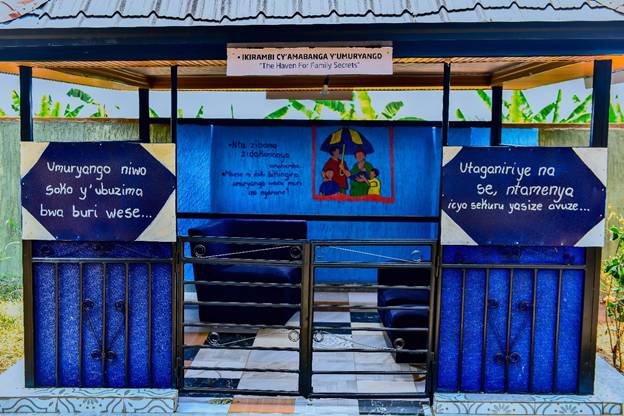
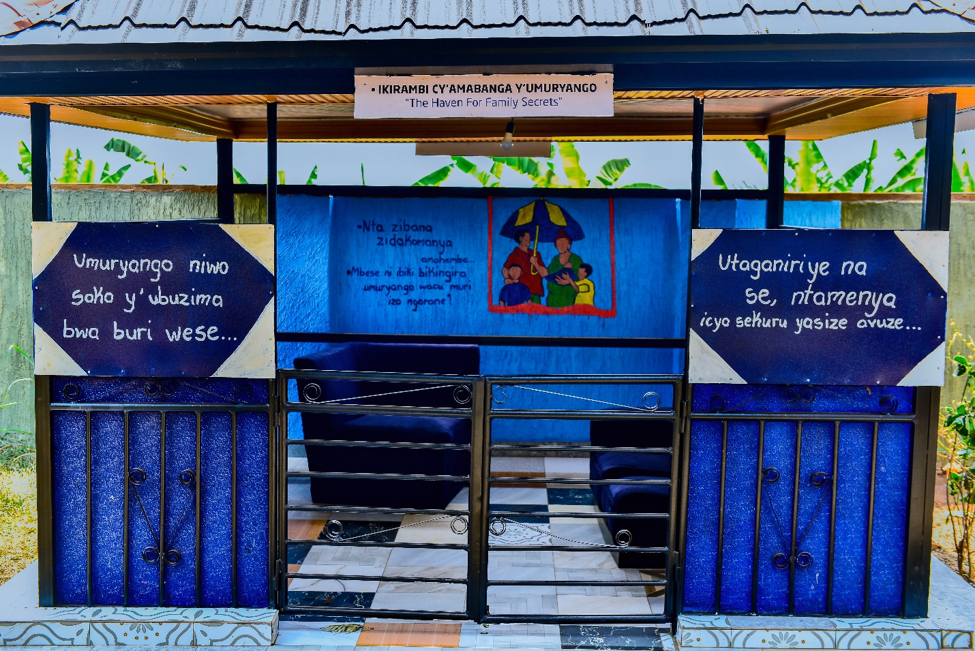
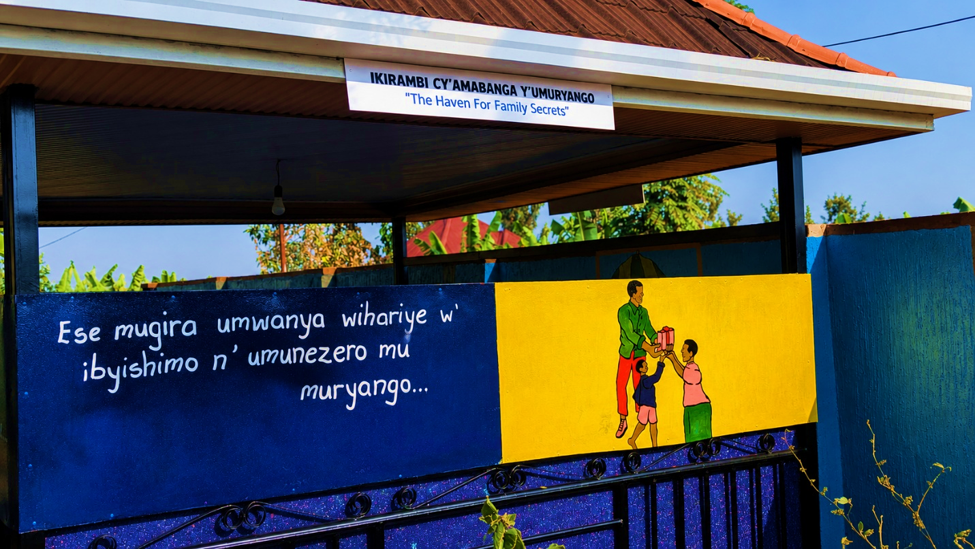
The Haven for Family Secrets at Serenity Wellness Oasis – The Well of Life. As you enter this special place, First take a look and you immediately noticed that it is more than just a small shelter with chairs. It is a special place created for families to pose for a moment, reflect, speak honestly, listen carefully, disregard, appreciate, decide and grow together. The entrance sign welcomes You into what it is called “The Haven for Family Secrets.” This name reminds us that every family has joys, dreams, struggles, and hidden pains, power and strengths. Instead of carrying these burdens alone, this special corner invites families to bring them into the light where understanding, healing, and hope can begin.
INTRODUCTION
Have you ever stopped for a moment and asked yourself like this?
- How is my family?
- How close am I to my family?
- What supports our family best either emotionally or physically?
- What holds my family back?
- What are the problems my family face?
- What are possible solutions to these problems?
- Do we have regular time to rejoice and reflect with my family?
Family is the foundation of every person’s life. Before we start to walk, talk, go to school, before we make friends, before we begin our careers, we first belong to a family. It is in the family that we receive our first love, our first lessons, our first protection, and our first understanding of the world. Children learn kindness, honesty, respect, responsibility, and forgiveness by watching the people who raise them. They discover who they are through the encouragement and guidance they receive at home. Even when life becomes difficult, many people find strength by remembering the love and support of their family.
The family is also where resilience begins. Life is not always easy. Every person experience disappointment, failure, sickness, loss, or hardship. A loving family teaches its members how to stand up again after falling. Parents encourage children to keep trying after they fail. Brothers and sisters comfort one another during difficult moments. Grandparents share wisdom gained through many years of life. In this way, the family becomes the first school of courage and hope.
The family also helps every person develop a vision for the future. Children often dream because someone at home believed in them first. Parents encourage education, good character, and meaningful goals. A family that talks about hopes and dreams helps every member believe that tomorrow can be better than today.
However, the family is not only the source of love and strength. It can also become the place where emotional wounds begin. Harsh words, neglect, rejection, constant criticism, violence, or broken relationships can deeply hurt people. A child who constantly hears that they are worthless may grow into an adult who struggles with confidence. A husband or wife who experiences disrespect may carry emotional pain for many years. Yet the wonderful truth is that the same family where wounds begin can also become the first place where healing starts. A sincere apology, forgiveness, patient listening, loving words, and renewed commitment can slowly heal wounds that seemed impossible to repair. Healing often begins when family members choose to love each other again despite past mistakes.?
Sharing Family Problems Brings Healing
Have you ever stopped for a moment and asked yourself like this?
- Have you ever got hurt I don’t know who to talk to?
- Who can I talk to about what is going on in my family?
- Is there emotionally broken people (person) in my family?
- Is there anything that I can do to help?
What can we do in my family that can help us to share more?
Family problems should not remain hidden forever. One of the important sayings presented here teaches that agahinda gasangiwe karatuba ariko akadasangiwe kagatumba “a shared sorrow becomes lighter, but an unshared sorrow becomes heavier.”
This saying contains great wisdom. Problems become heavier when people carry them alone. A husband who hides financial worries may become overwhelmed by stress. A wife who keeps emotional pain inside may become discouraged. A child who never tells anyone about bullying or fear may continue suffering in silence. But when family members share their burdens with people who love them, they often discover comfort, advice, encouragement, and practical solutions.
Another saying teaches that “ udasangiye na se ntamenya icyo sekuru yasize avuze”meaning that “a person who never talks with their father will never know what their grandfather left behind.” This is not only about inheritance. It also speaks about family history, wisdom, values, traditions, and life lessons. Every older generation carries valuable experiences. Parents and grandparents have overcome challenges, made mistakes, and learned important lessons. When families stop talking, this wisdom is lost. Children grow up without knowing where they came from or what their family has learned over many generations.
The Family Secrets Corner also reminds visitors that “ umuryango utazimuye urazima” meaning that “a family that does not talk is a sick family.” Healthy families communicate regularly. They discuss problems before they become crises. They celebrate victories together. They explain misunderstandings instead of allowing resentment to grow. Communication does not remove every problem, but it prevents small disagreements from becoming large divisions.
Good communication also requires listening. Speaking honestly is important, but listening carefully is equally valuable. When every family member feels heard, respected, and understood, trust becomes stronger and healing begins.
The Family Table: A Place for Conversation
Have you ever stopped for a moment and asked yourself like this?
- Have you been challenged and you didn’t have someone to talk to?
- Do you have specific time in your family designed just to talk about?
- Do you sometime feel like some family members are distant?
- Do you feel like there is something specific that has to be changed?
- In which ways do you think that it can change through?
- What can we do in my family that can help us to share more?
One of the important lessons in this corner encourages every family to have a family table and a special family time. The table represents much more than a place to eat. It represents a place where family members regularly come together.
At the family table, people share meals, stories, ideas, joys, and concerns. Parents ask children about school. Children tell their parents about their dreams and challenges. Husbands and wives discuss family plans and solve problems together. Laughter, encouragement, and forgiveness often happen around the table.
Regular family conversations prevent many problems from growing. When children know they can freely speak with their parents, they are more likely to ask for help before making harmful decisions. When husbands and wives speak honestly every day, misunderstandings are corrected before they become serious conflicts.
The Family Secrets Corner asks every visitor a question: “Does your family have this family table? Do you take time to talk together?” Every family should honestly answer these questions and look for ways to spend meaningful time together.
Building a Shared Family Vision
Have you ever stopped for a moment and asked yourself like this?
- Have you ever shared the vision with your family members?
- Is there any dreams and goals you have, and you are inspired by your family?
- What do you think can be done so dreams and goals will be nourished in the family?
As visitors continue through the displays, they learn that every family should have a shared vision or family project. A family without common goals often moves in different directions. A family with shared goals works together toward a common future.
The speech compares the family to the human body. This picture helps us understand that every member is important.
The husband is compared to the head because the head provides direction and leadership. The wife is compared to the heart because the heart brings love, compassion, warmth, and emotional care into the home. The children are compared to the lungs because they bring life, energy, joy, and hope to the family.
Every part of the human body depends on the others. The head cannot function well without the heart. The heart cannot survive without the lungs. Likewise, no family member is more valuable than another. Every person has unique responsibilities.
When one member refuses to fulfill their responsibilities, the whole family suffers. If parents neglect their children, children struggle. If children refuse to respect family rules, peace disappears. When everyone faithfully performs their role, the family becomes stronger and healthier.
Recognizing the Signs of an Unhealthy Family
Have you ever stopped for a moment and asked yourself like this?
- Is there any kind of behavior that makes you feel unsafe in your home?
- Are you allowed to express and communicate your emotions in your family?
- Is there any kind of abuse or harm that is going on in your family?
- Are any conflictual subsystems and dysfunctional subsystems/ subgroups created in your families?
- Is any one who left the family because of the family issues?
- Is any one experiencing pain because of the family issues?
- What do you think can be done so that your family can be a safe space?
The Family Secrets Corner encourages every family to examine its own condition honestly.
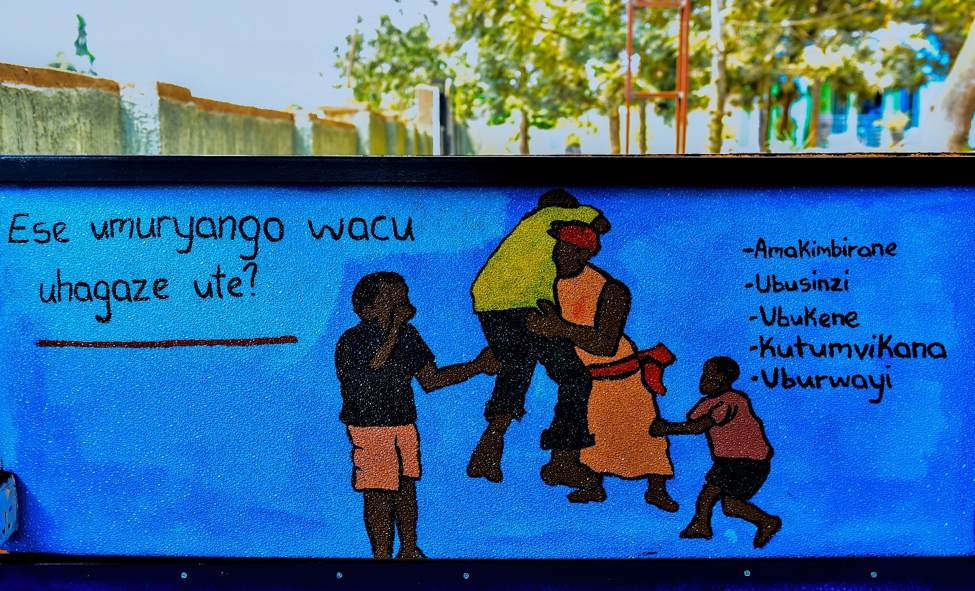
The first sign of an unhealthy family is constant conflict and poor communication. Every family experiences disagreements, but when arguments never end and people stop speaking kindly, relationships become damaged. Instead of solving problems together, family members begin avoiding each other.
The second sign is when family members form groups against one another. Instead of working as one family, people begin choosing sides. Children may support one parent against the other. Brothers and sisters may become divided. These divisions weaken family unity and create lasting pain.
The third sign is when someone leaves the family. Sometimes children run away from home because they no longer feel safe or loved. Sometimes husbands or wives abandon their responsibilities. Separation creates deep emotional pain for everyone involved, especially children.
The fourth sign is emotional or physical sickness caused by family problems. Long periods of conflict can lead to depression, anxiety, stress, drug abuse, alcohol misuse, and other harmful behaviors. Constant emotional pressure may also contribute to illnesses such as high blood pressure or diabetes. This reminds us that family health affects both the mind and the body.
The Family Umbrella
Have you ever stopped for a moment and asked yourself like this?
- Do you feel safe at home?
- What holds your family together?
- Where does your family feel weak?
- Who carries the family’s burdens?
- What protects your family?
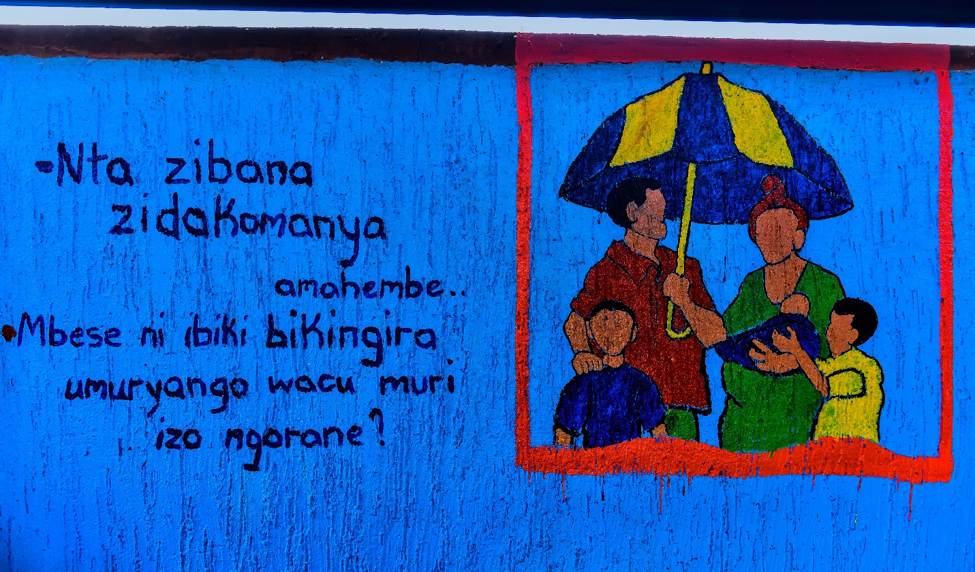
One of the most meaningful pictures in the Family Secrets Corner shows a family standing together under a large umbrella. This umbrella teaches a lesson.
No family is perfect. Every family experiences disagreements, disappointments, financial challenges, sickness, or unexpected difficulties. The umbrella does not remove the rain, but it protects the family while the rain continues.
The umbrella represents the values that protect families during difficult times. Love reminds family members that they belong together. Forgiveness allows people to move beyond past mistakes. Communication helps problems become smaller instead of larger. Patience gives people time to grow and change. Prayer gives families hope and guidance. Understanding allows people to see situations from another person’s perspective. Unity reminds everyone that they are stronger together than apart.
Families that remain under this umbrella can survive storms that might otherwise separate them.
Working Together as One Family
- Do we solve problems together or alone?
- Who carries the biggest burden in your family?
- Do you contribute or only consume?
- How well does your family communicate?
- What keeps your family united?
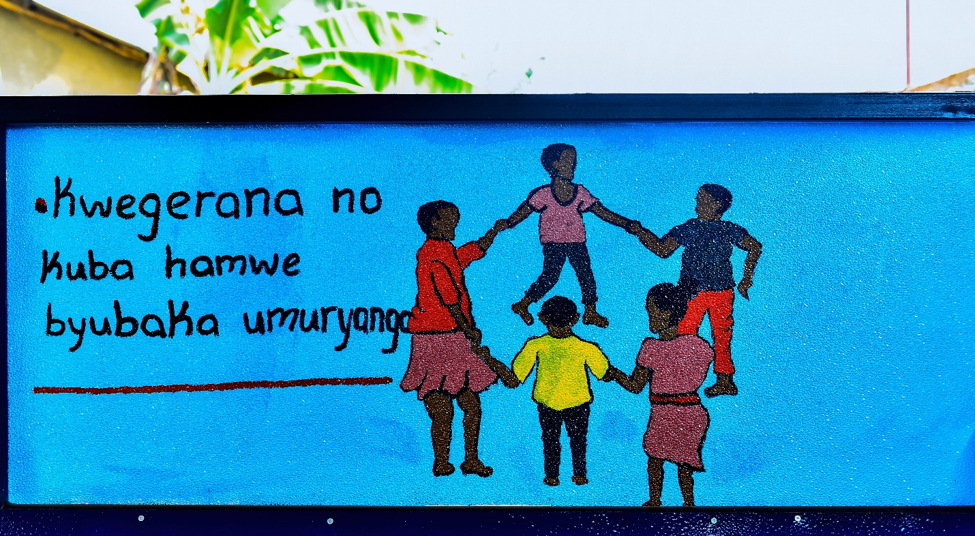
Working together as family members is very important. One picture show parents and children carrying one another. Another shows family members building together. Others shows children playing and cooperating. These pictures remind me that “abishyize hamwe ntakibananira” meaning that “when people work together, nothing is impossible.”
Teamwork begins with small daily responsibilities. Parents provide leadership and care. Children help with household chores according to their age. Everyone contributes to keeping the home clean, organized, and peaceful.
Working together also means supporting one another emotionally. Family members celebrate achievements together, encourage one another during failure, and solve problems together. A family that works as one team becomes stronger with every challenge it faces.
Children should never think that building the family is only the responsibility of adults. Even young children can help by being respectful, obedient, helpful, honest, and kind.
The Five Signs of a Healthy Family
Ask yourself time these questions
- Do you trust each other in your family?
- How do you respect each other?
- Do you feel safe in your family?
- How are you connected and interact in your family?
- How worthy are you in your family?
- Do you feel loved at home?
- Can you be yourself with your family?
- How does your family handle conflict?
- Do family members listen to one another?
The Family Secrets Corner teaches five clear signs of a healthy family.
The first sign is trust. Trust is the foundation of every strong relationship. Husbands and wives should trust one another. Parents and children should be honest with each other. When trust is broken, rebuilding it requires honesty, patience, and consistent good behavior.
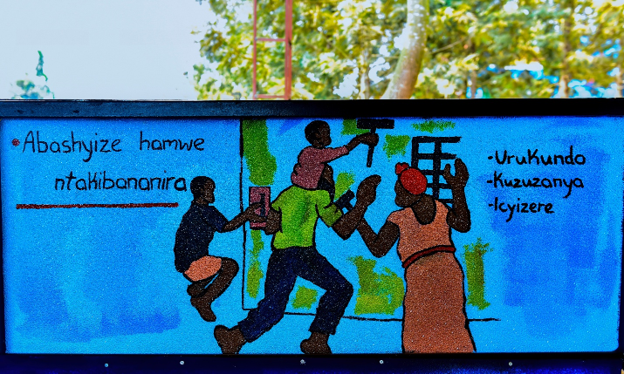
The second sign is cooperation, interaction and connection.
Family members should work together instead of competing against one another. Shared responsibilities create stronger relationships because everyone feels needed and valued.
The third sign is peace and safety. Home should be the safest place in the world. Every family member should feel accepted, protected, and free from fear. A peaceful home allows children and adults alike to grow with confidence.
The fourth sign is friendship, worthy and spending quality time together. Families become stronger when they eat together, play together, pray together, travel together, and enjoy simple conversations. These shared experiences create happy memories that last for many years.
The fifth sign is respect. Every family member deserves respect regardless of age. Husbands should respect their wives. Wives should respect their husbands. Parents should respect their children, and children should respect their parents. Respect creates harmony because every person feels valued.
The Light That Guides the Family
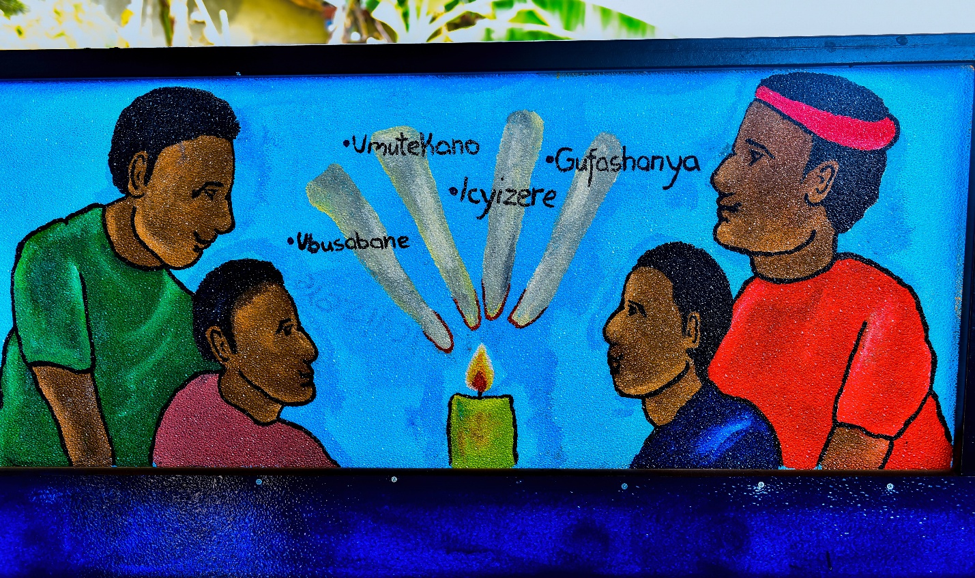
Picture shows family member gathered around a bright light. The words surrounding the light represent the qualities that make a family healthy. Trust, cooperation, peace and safety, friendship, and respect become like a lamp shining inside the home.
Just as a lamp helps people see clearly in darkness, these values help families make wise decisions during difficult times. When challenges come, families guided by these values continue encouraging one another instead of giving up. The light reminds everyone that healthy relationships do not happen by accident. They are built through daily choices.
Creating Joyful Family Moments
Ask yourself this.
- When did your family last laugh together?
- What brings joy to your family?
- Do you make time for your family?
- What memory makes you smile?
- How do you show love at home?
Sharing joy, strengthening Family
Strong families also create time for happiness. Joy does not always require expensive vacations or costly celebrations. Happiness often grows through simple daily activities.
Families build lasting memories when they celebrate birthdays and achievements together. Eating meals together strengthens relationships. Playing games creates laughter. Praying together builds spiritual unity. Talking together deepens understanding. Helping one another during difficult times strengthens love.
These joyful moments become powerful memories that encourage family members throughout life. Children especially remember the love they experienced during these times together.
The Family Secrets Corner reminds every visitor that the family is truly the source of life. Every member has an important responsibility in building a peaceful, loving, united, and safe home. This responsibility does not belong only to parents. Husbands, wives, grandparents, young people, and even small children all have meaningful roles in creating a healthy family.
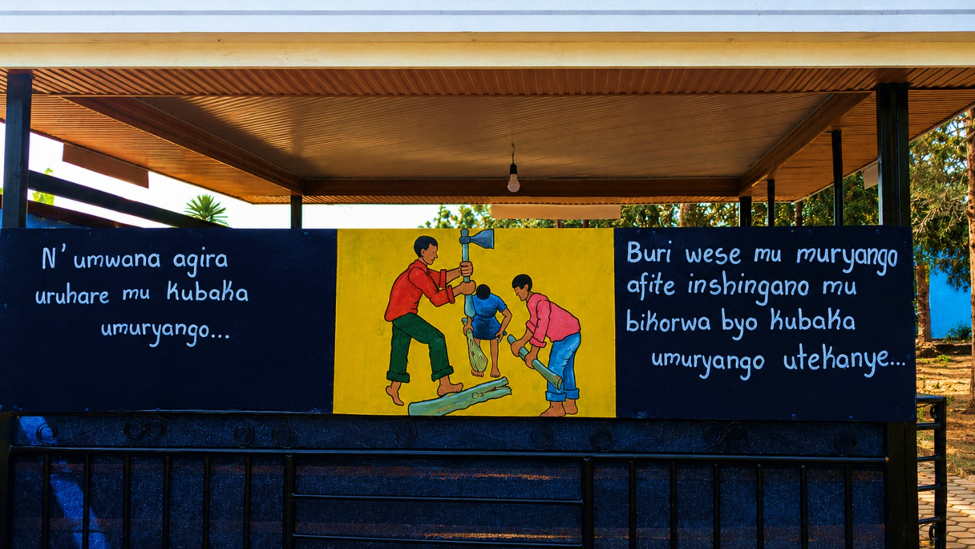
As visitors leave this special place at Serenity Wellness Oasis – The Well of Life, they are invited not only to admire the paintings but also to apply their lessons. The entrance, the family umbrella, the pictures of teamwork, the family gathered around the light, and every message displayed throughout the corner point toward the same truth: strong families are built through love, honest communication, shared responsibility, trust, respect, forgiveness, and unity.
Welcome once again to the Haven for the Family Secrets at Serenity Wellness Oasis – The Well of Life, where practical exercises, meaningful conversations, and life-giving lessons help families grow stronger together. Here, every family is encouraged to discover practical tools that build healthier relationships, heal emotional wounds, strengthen unity, and create homes filled with peace, hope, and lasting happiness, making every home a little heaven.
Healing and Nurturing the Family: Discover with Dr. Chaste UWIHOREYE The 5 Pillars of a Thriving Home
I am back again so that we can now talk about the family. The family is where all of us originate. A family, I would say, is something that has life; a family is born, a family is nurtured, it is fed, a family grows, and a family also gets sick. But the good thing is that a family can be treated and healed.
However, if a family is not treated, if it is not cared for, if it does not take its medicine, the family grows old and decays. Therefore, I am back to help you look at when your family was born, how it was born, what your family feeds on first, what your family lacks, and whether your family has fallen ill.
The Five Nourishments of a Family
Let me mention just five things that nourish a family:
- 1. Communication and Dialogue: The first of these five things that nourish a family is communication and dialogue. Do you communicate, talk, and counsel one another in your family? When that is missing, the family gets sick, it suffers from something, and the family becomes anxious.
- 2. Trust Among Members: The second is trust among family members—between spouses, between children and parents, and among all family members. Is that trust present? Do you trust one another? When it is missing, the family falls sick and becomes weak.
- 3. Mutual Respect: The third thing that nourishes a family and sustains it is respect. Spouses respecting each other, a husband respecting his wife, a wife respecting her husband, parents respecting their children, and children respecting their parents. Do we have that in our family? Evaluate yourselves again.
- 4. Cooperation and Responsibilities: The fourth thing that builds a family is how we fulfill our responsibilities and cooperate in fulfilling them. However, we must not interfere with each other’s responsibilities, because if we do not cooperate or if we interfere with one another’s duties, the family gets sick and falls apart.
- 5. Peace and Security: Let me conclude with peace and security in the family. People often like to say that a family is like a little heaven. It is a sweet place, a place that gives peace. Is your family a place where you feel at peace? Is security there? Is that little heaven present?
Finding Your Family’s Path Forward
Or does the home instead turn into something else, like a prison where people say a home is like serving a sentence?
Those five things are what sustain a family. Let us take a moment: if you are family members, sit down and reflect, and see what is missing. And when you finish, see how those things can come into your family, and you will see that the family will thrive and prosper.
Recognizing the Signs of Family Distress: A Guide to Healing and Recovery
Every family encounters challenges, but understanding when a household is under severe distress is the first step toward true healing. As Dr. Chaste Uwihoreye explains, evaluating family dynamics allows us to identify hidden illnesses within the home and address them before they cause lasting damage.
1. Breakdown in Communication and Prolonged Conflict
- The Absence of Dialogue: When communication, conversation, and mutual counsel disappear from a household, stress and anxiety inevitably take over.
- Persistent Friction: The first major sign of family distress is the presence of ongoing conflicts, arguments, or—just as damaging—periods where family members completely stop speaking to one another.
- Universal Impact: Whether between spouses, parents and children, or among siblings, a lack of constructive dialogue signals that a home is struggling.
2. Physical or Emotional Detachment Within the Home
- Unexplained Absence: Another warning sign occurs when a family member leaves the home without any valid or meaningful reason.
- Living Apart Under One Roof: Even when physically present, family members may live completely detached lives, isolating themselves in separate rooms and acting more like strangers than loved ones.
3. Factionalism and Division
- Creating Camps: Family distress often manifests as internal factions or opposing groups—such as parents and children siding against one another, or extended family members forming alliances.
- Internal Conflict: These divisions create a hostile environment where members spend energy competing or blocking each other rather than supporting one another.
4. Emotional and Physical Toll on Health
- Deep Psychological Pain: Unresolved family problems frequently result in profound emotional and psychological suffering, anxiety, and grief.
- Coping Mechanisms: In severe cases, members may turn to unhealthy habits, such as substance use or excessive drinking, to numb their pain.
- Physical Illness: Chronic stress stemming from family turmoil does not stay emotional; it can progress to physical ailments, sleep deprivation, high blood pressure, and diabetes.
A Path to Healing
When these signs appear, they are rarely hidden. However, recognizing that a family is unwell should not bring despair—it brings hope. Just as families can fall ill, they can also be treated, nurtured, and healed. By sitting down to evaluate your family’s health, addressing communication gaps, and seeking support, your household can recover and thrive once again.
Nurturing Your Family: Discover with Dr. Chaste Uwihoreye The “Family Gathering” Exercise for Growth and Healing
We are back once again so that we can talk about ways to safeguard your family, how to build it, and how to restore life to the family whenever a little friction or strain has begun to creep in.
Right now, we are going to do a family table exercise—the family table where all family members sit together in a circle, which in the old days we used to call an evening gathering (igitaramo) in the family. This includes the parents—meaning the spouses, father and mother, and all the children.
Step 1: Sharing Appreciation and Constructive Feedback
- Share the Good: Take a dedicated moment together where each person takes a turn to speak about the good things they see in your family, looking at the values you hold, and sharing all the things that help make the family wonderful with everyone.
- Address Areas for Growth: Each person also takes a moment to share what they see that is not going well, the habits they observe in the family that could be corrected, and shares all of these things openly with the family members.
Step 2: The Four Reflection Questions
Afterwards, each person takes a turn sitting in an empty chair to answer four specific questions:
- Question 1: “What emotions did I experience while listening to family members talk about our values, our good points, and yes, even the things that are not going well?”
- Question 2: “What image did I see our family having while listening to family members share these things—sharing our values and also sharing what is not going well?”
- Question 3: “Are there lessons I took away from our family gathering, from these conversations? Are there lessons I can share with others that I gained?”
- Question 4: “As a final point, what can each person ask themselves: What can we do for this family, what should we change, and what should be added to it?“
Step 3: Closing Together
Then we conclude by sharing warmth and bonding together—we can sing, we can tell proverbs, we can converse, and we bring our family gathering to a close right there.
The Family Tree Exercise: Mapping Strengths, Roots, and Growth in Your Home. Prepared by Dr. Chaste UWIHOREYE
We are back once again so that we can continue our conversation on meaningful ways to build our families and support every family member. Today, we are going to use the powerful metaphor of The Family Tree.
A tree is a beautiful living structure. It has roots, a trunk, branches, leaves, and fruits. We will use this visual structure as a family exercise where each person sketches their own tree, starting from the roots all the way up to the fruit.
Step 1: Mapping the Structure of Your Family
Begin by assigning family members to different parts of the tree based on your perspective:
- Roots: Who forms the roots of your family?
- Trunk: Who represents the central trunk?
- Branches & Leaves: Who forms the branches and leaves?
- Fruits: Who represents the fruits?
Look across generations—from ancestors and grandparents to parents, extended family (aunts, maternal uncles, cousins), half-siblings, biological siblings, and caregivers. Place each person intentionally on a part of your tree.
Step 2: Annotating the Right Side (Strengths & Values)
On the right side of your tree, write down the virtues, strengths, and positive traits you derive from each person:
- What good qualities do you inherit or learn from your parents?
- What wisdom comes from your grandparents?
- What virtues or positive traits do you draw from your siblings and extended family?
Step 3: Annotating the Left Side (Challenges & Habits to Heal)
On the left side of your tree, acknowledge the areas that need growth or healing:
- Are there unhealthy habits or negative behaviors you observe in one or more family members?
- Are there inappropriate conduct or unresolved issues that affect the family?
- Write down these challenges honestly on the left side.
Step 4: Top of the Tree (Future Legacy & Hopes)
At the very top of your tree, above the fruits, write down the qualities, values, and legacies you wish to pass on to future generations that descend from you. These represent the aspirations you want to harvest from your family’s journey.
Step 5: Combining Trees and Closing Together
Once individual drawings are complete, bring all the personal trees together to synthesize them into one collective Master Family Tree.
To close this family session:
Engage in any cultural or family bonding activities that bring joy and closure to your evening gathering. eful close right there.
Share quality time together.
Sing songs or hold prayers (for those who practice).
Building Strong Family Bonds: The Power of the “Family History Box” Exercise
Family life is a continuous journey filled with moments of deep joy, unexpected challenges, and valuable lessons. To nurture a peaceful, thriving household, intentional communication is key. One powerful way to foster this connection is through a reflective family exercise known as the “Family History Box” (agasanduku k’amateka yange mu muryango).
This simple yet profound activity invites both parents and children to pause, reflect on their shared journey, and strengthen their emotional bonds.
How the Family History Box Exercise Works
The activity is designed to create a safe, open space where every family member can share their experiences, celebrate triumphs, and process past hurts together.
Step 1: Prepare the “History Box”
Find a central container to place on your table. This can be an actual small box, a decorated carton, or even a simple bowl. This container will hold your family’s written reflections.
Step 2: Write Down Three Key Reflections
Each family member takes a few moments to write down three distinct notes on separate pieces of paper, addressing the following prompts:
- A Moment of Joy: Think about a happy memory you experienced within your family. What made it special? When did it happen? Write it down and place it in the box.
- A Moment of Pain or Difficulty: Reflect on a time when you experienced hurt or difficulty within the family. What happened, and when? Write it down and add it to the box.
- The Lesson Learned: On a third piece of paper, reflect on either the joyful or painful experiences you noted, and write down the valuable lesson it taught you. Add this final note to the box.
Discussion and Reflection
Once everyone has contributed their notes to the box, gather together to read and discuss them as a family. Use these guiding questions to steer your conversation:
- Celebrating the Good: Look at the joyful memories. How can your family continue and multiply these positive experiences?
- Addressing Challenges: Examine the difficult moments together. What caused them, how can you prevent them from happening again, and how can you stop similar hurts in the future?
- Applying the Lessons: Review the lessons learned and discuss practical ways to apply them to daily family life.
Wrapping Up with Connection
Conclude the exercise by celebrating your unity. You can end the gathering by singing together, sharing a prayer, or participating in any other meaningful activity that helps your family bond, connect, and enjoy each other’s company.
Taking time to look back at your shared history is a wonderful step toward building a more resilient, understanding, and harmonious home.
Building Strong Family Bonds: The Power of Defining Your “Family Project”
When we think about a “project,” our minds often default to business endeavors, financial investments, or income-generating activities. However, one of the most vital projects you will ever undertake is right inside your home: your family project (umushinga w’umuryango).
A true family project goes far beyond financial gain—it is a shared purpose that brings joy, deepens happiness, and creates unity. It is the foundation that keeps family members connected, encouraging everyone to work together, support one another, and enjoy life as a team.
Defining Your Family Project
Every thriving household needs a shared vision. Ask yourselves as a household: What is our family project?
Your project could be centered on:
- Fostering Happiness & Joy: Activities, routines, and values that bring fun and fulfillment to your home.
- Strengthening Unity: Creating opportunities where family members spend meaningful time together and work toward common goals.
- Mutual Support & Growth: Building an environment where everyone feels encouraged, heard, and helped in times of need.
Defining Everyone’s Role in the Family
Once your family identifies its unique project, the next step is recognizing that every single member has an essential role to play. A family project succeeds only when everyone contributes.
- The Mothers & Fathers: Parents lead by example, guiding the vision, creating safety, and fulfilling their distinct responsibilities to nurture the home.
- The Children: Every child—from older youth down to infants and toddlers—has a place in the family unit. Age-appropriate expectations help children feel valued, needed, and included from the start.
Reflecting and Re-aligning
To ensure your family project succeeds, take time to reflect together on your daily habits:
- Identify Roles: Clearly discuss what each person’s role entails to keep the family project running smoothly.
- Address Neglected Responsibilities: Be honest and gentle about areas where anyone might be falling short or slipping on their commitments.
- Adjust & Improve: Work together to find practical ways to help each other fulfill these responsibilities so the family can thrive as a whole.
Ending with Celebration and Fellowship
After discussing your family project and roles, conclude your gathering with fellowship and joy:
- Sing a Song Together: A favorite family song or hymn brings warmth and shared happiness.
- Share a Prayer: For families of faith, offering a prayer helps dedicate your family’s plans and seek blessing.
- Enjoy Shared Quality Time: Engage in any fun bonding activity that allows everyone to connect and enjoy one another’s presence.
By intentionally defining your family project and helping each member fulfill their role, you lay the groundwork for a peaceful, harmonious, and resilient home.gs, offer prayers (for those who practice), or use any other meaningful tradition that helps your family bond and celebrate together.